
26 Jun How Physical Development Improves Student Growth
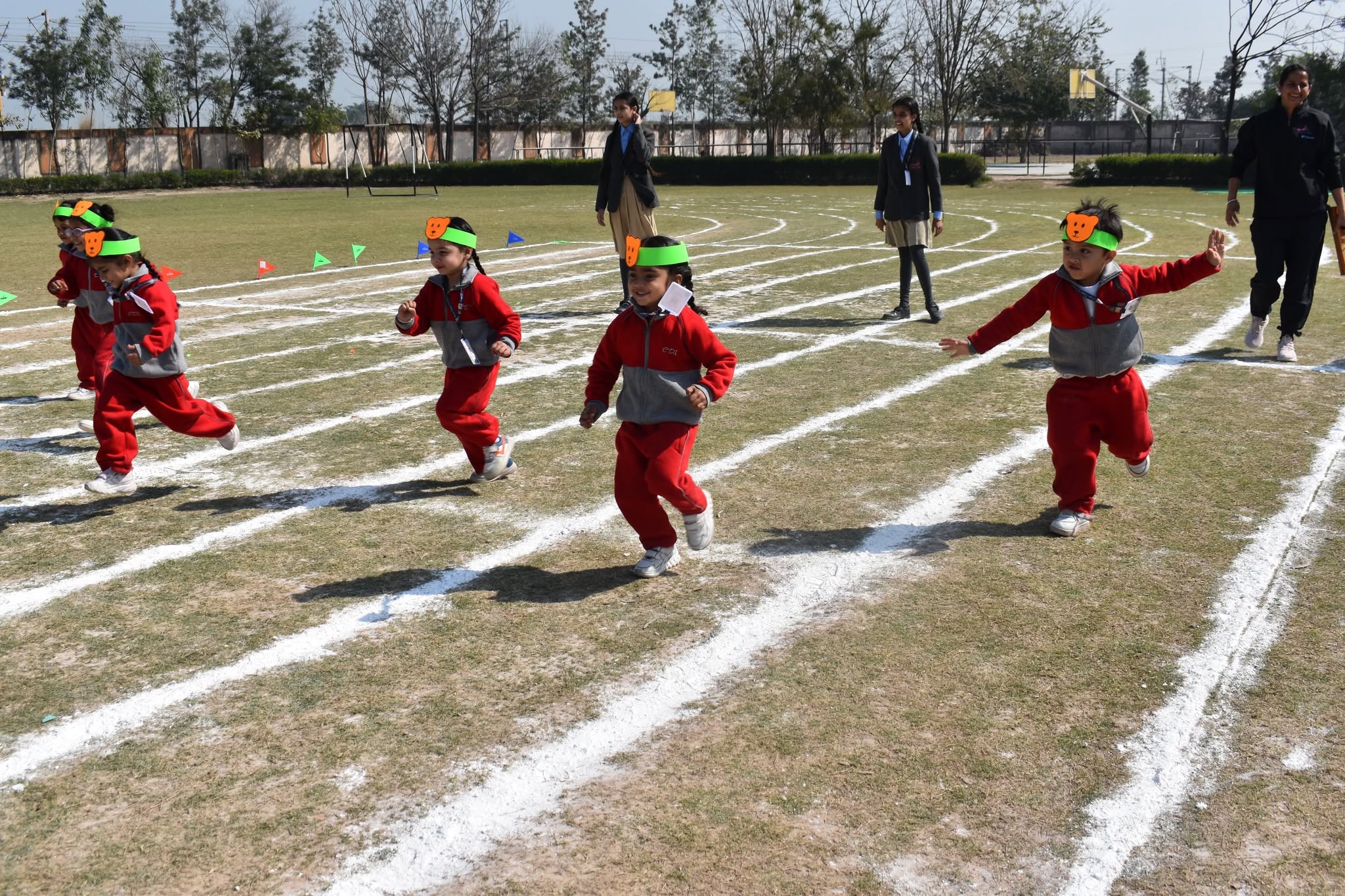
Physical development plays a crucial role in a child’s overall growth and well-being. It not only helps students maintain good health but also contributes to their academic performance, emotional stability, and social skills. Activities that promote physical fitness encourage children to develop strength, coordination, confidence, and discipline from an early age. At Carpe Diem International School, crowned as one of the Best CBSE School in Rajpura, physical development is considered an essential part of a well-rounded education that supports lifelong learning and success.
Understanding Physical Development in Students
Physical development refers to the growth and improvement of a child’s body, including motor skills, strength, flexibility, balance, and coordination. During the school years, children experience significant physical changes that influence their ability to participate in daily activities and learning experiences. Encouraging regular physical activity helps students develop healthy habits that benefit them throughout their lives.
Benefits of Physical Development for Academic Success
Research has shown that physically active students often perform better in the classroom. Regular participation in sports and physical activities also helps students stay focused, energetic, and motivated, leading to improved academic outcomes and overall school performance.
Building Confidence and Social Skills
Physical development activities provide students with opportunities to interact, collaborate, and communicate with their peers. Whether participating in sports, games, or group activities, children learn valuable lessons about teamwork, leadership, and perseverance. As one of the Best Schools in Rajpura Punjab, the school encourages students to actively engage in physical activities that help build confidence, strengthen social connections, and develop essential life skills.
Promoting Emotional Well-Being
Physical activity is closely linked to emotional health. Regular exercise helps reduce stress, anxiety, and negative emotions while promoting a positive mindset. Students who participate in physical activities often feel more confident and capable of handling challenges. This contributes to better emotional balance and a healthier approach to learning and personal growth.
Developing Healthy Lifestyle Habits
Schools play an important role in helping students understand the value of a healthy lifestyle. Encouraging physical fitness from a young age helps children develop habits that support long-term health and wellness. Regular exercise, proper nutrition, and active participation in sports contribute to stronger physical development and overall well-being.
Empowering Students for Future Success
Physical development teaches students important qualities such as discipline, determination, resilience, and goal-setting. These qualities not only support academic achievement but also prepare students for future challenges in higher education, careers, and everyday life. A strong foundation in physical fitness helps students become confident and capable individuals who are ready to achieve their full potential.
Final Takeaway
Physical development is an essential aspect of student growth that contributes to academic success, emotional well-being, social development, and overall health. By encouraging active lifestyles and regular physical activity, schools help students build the skills and habits needed for a successful future. Investing in physical development today creates healthier, happier, and more confident learners for tomorrow.
Sorry, the comment form is closed at this time.